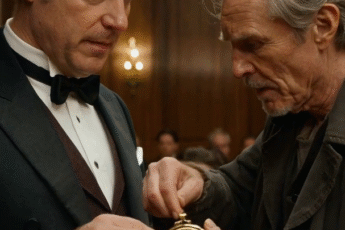
Julius Caesar entered the Senate that morning as the most powerful man in Rome.
Outside, the city still carried his name like a warning. Soldiers admired him. Crowds cheered him. Enemies feared him. He had crossed rivers, defeated rivals, survived wars, and climbed higher than any Roman before him. To many, he was not just a general anymore. He was becoming something Rome had always feared — a king without a crown.
But inside the Senate, power could turn into silence very quickly.
The marble hall looked calm. Senators stood in white robes, speaking in low voices. Some bowed their heads as Caesar passed. Others watched him too carefully. Their faces were controlled, almost respectful, but behind their eyes was something colder.
Caesar had been warned.
There were rumors. Whispers. Omens. Some said he should not attend the meeting that day. Some believed danger was waiting for him. But Caesar had built his life on courage, and courage can sometimes look very much like pride. He believed no Roman would dare raise a hand against him in the Senate itself.
Then the senators began to move.
At first, it looked normal. A group approached him with a petition. One man came close. Another stepped behind him. Then another. The circle tightened. The voices around him became harder to separate. The air changed.
Caesar realized too late that this was not a political request.
It was a trap.
A hand grabbed his robe. A blade flashed. Then another. The men who had once smiled at him now struck at him from every side. These were not foreign enemies. They were Romans. Senators. Men of noble families. Men who claimed they were saving the Republic.
But in that storm of betrayal, one face mattered more than all the others.
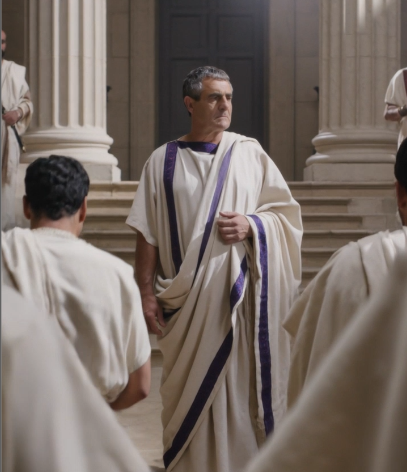
Brutus.
Caesar saw him among the attackers.
Brutus was not just another senator. He was someone Caesar had trusted, protected, and forgiven. To Caesar, his presence among the conspirators was worse than the knives. Enemies were expected to hate you. Rivals were expected to plot. But a friend was supposed to stand apart from the crowd.
Brutus did not.
In that moment, Caesar understood something terrible. He had not simply been defeated by politics. He had been abandoned by trust.
The attack continued. According to ancient accounts, Caesar was stabbed again and again. The conspirators believed they were ending tyranny. They believed Rome would breathe freely once Caesar fell. But history has a cruel way of punishing men who think murder can restore order.
Caesar collapsed beneath the statue of Pompey, the rival he had once defeated.
The Senate floor became the stage of one of history’s most famous betrayals.
The assassins expected Rome to thank them. They expected the people to see them as liberators. Instead, the city fell into fear, anger, and chaos. Caesar’s death did not save the Republic. It helped destroy what was left of it.
Civil war followed. Power struggles consumed Rome. The men who had raised knives against Caesar soon found themselves hunted, defeated, or dead. And from the ashes of the Republic rose something even stronger than Caesar himself had built — the Roman Empire.
That was the final irony.
The men who killed Caesar because they feared one-man rule helped create the world of emperors.
And Brutus, the friend who joined the plot, became immortal not as Rome’s savior, but as the face of betrayal.
Because sometimes the wound history remembers is not the deepest cut.
It is the one made by someone you trusted.